Ancient Mars was warm and wet, not cold and icy
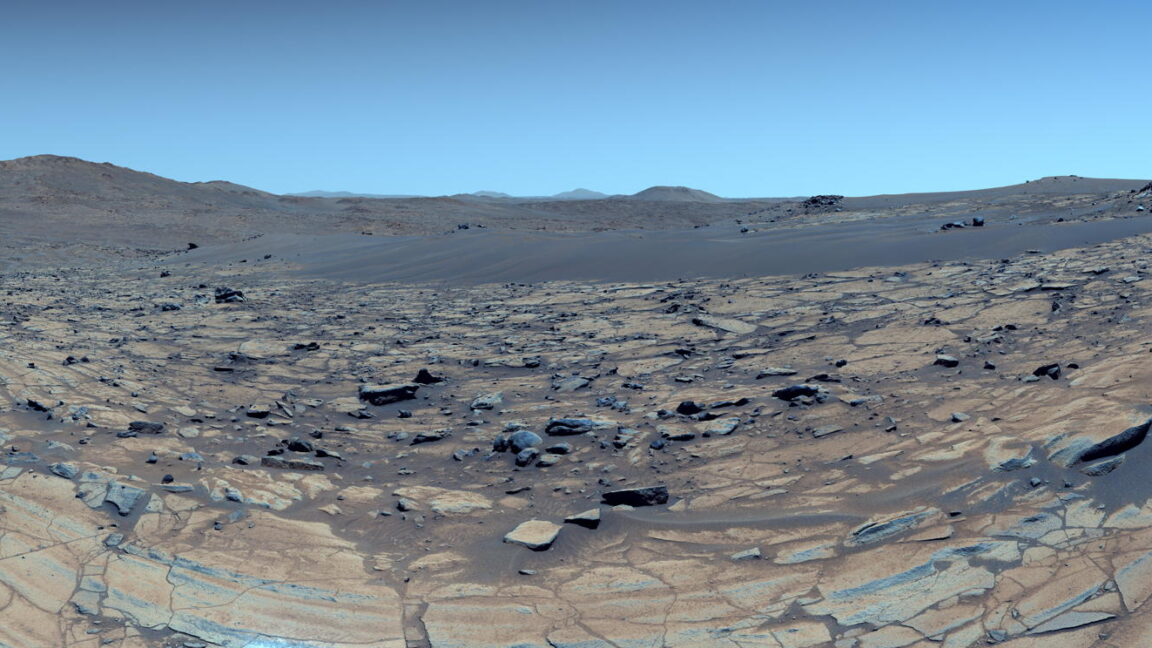
Summary
A recent study reveals that Mars was warm and wet billions of years ago, challenging previous theories of a cold, icy past. This finding has significant implications for the potential development of life during the planet's Noachian epoch.
Key Insights
What is the Noachian epoch and why does it matter for Mars' habitability?
The Noachian epoch, roughly 4.1 to 3.7 billion years ago, was an early period in Mars' history when the planet likely had liquid water on its surface, as evidenced by river valleys, lake deposits, and minerals like phyllosilicates and kaolinite that form in wet environments. This challenges cold-and-icy theories and suggests conditions potentially suitable for life existed briefly, lasting tens to hundreds of millions of years.
What is kaolinite clay and how does it indicate a warm, wet ancient Mars?
Kaolinite is an aluminum-rich clay mineral that forms on Earth in tropical, rainy climates through prolonged leaching of rocks by liquid water, requiring millions of years of wet conditions. White kaolinite fragments found by NASA's Perseverance rover in Jezero Crater match Earth samples from rainforests, not hydrothermal processes, indicating Mars once had abundant rainfall and warmer temperatures billions of years ago.