Half the World’s Coral Reefs Devastated by Record Ocean Heat
Summary
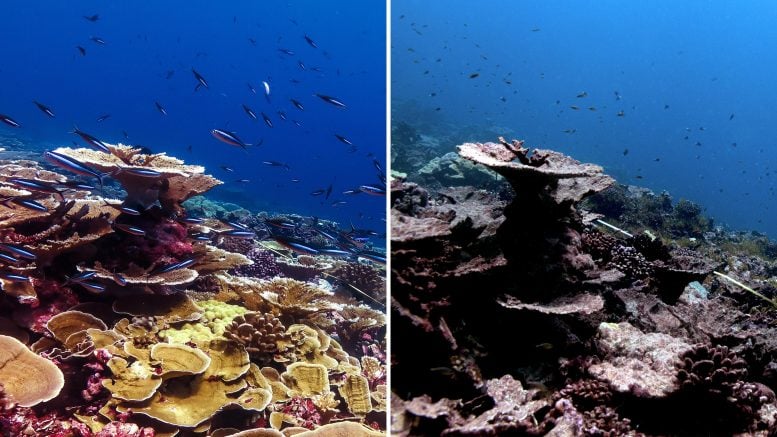
Recent reports highlight that extreme ocean heat has severely impacted half of the world's coral reefs, leading to a critical bleaching crisis. These vital ecosystems support fisheries, tourism, and coastal protection, while also aiding in medical discoveries.
Key Insights
What is coral bleaching and does it always mean the coral will die?
Coral bleaching occurs when corals under stress, such as from warmer ocean temperatures, expel the symbiotic algae (zooxanthellae) living in their tissues, causing them to turn white. Bleached corals are not necessarily dead and can recover if conditions improve and stress is reduced, but prolonged bleaching leads to starvation and death.
How extensive was the damage from the recent global coral bleaching event?
The third global bleaching event, driven by record ocean heat, affected over 50% of the world's coral reefs with significant bleaching, and about 15% experienced significant mortality. An ongoing fourth event is impacting even more areas, with 83.7% of reefs facing bleaching-level heat stress from 2023 to 2025.