Your smart home devices are all fighting for the same Wi-Fi channel
Summary
The article reflects on the evolution of smart home technology, highlighting the transition from Bluetooth-only devices to the dominance of 2.4 GHz Wi-Fi, paving the way for advancements like 5 GHz and 6 GHz connectivity.
Key Insights
Why do so many smart home devices use the 2.4 GHz Wi-Fi band instead of the faster 5 GHz band?
Most smart home devices use the 2.4 GHz band because it has better range and wall penetration compared to 5 GHz, making it more reliable for devices distributed throughout a home. However, this creates congestion since the 2.4 GHz band has only three non-overlapping channels available in the United States, while many neighboring routers and devices compete for the same frequencies. Additionally, many smart home devices use cheaper Wi-Fi chips that only support 2.4 GHz connectivity, limiting manufacturers' ability to shift devices to less congested bands.
What is co-channel interference and how does it affect smart home device performance?
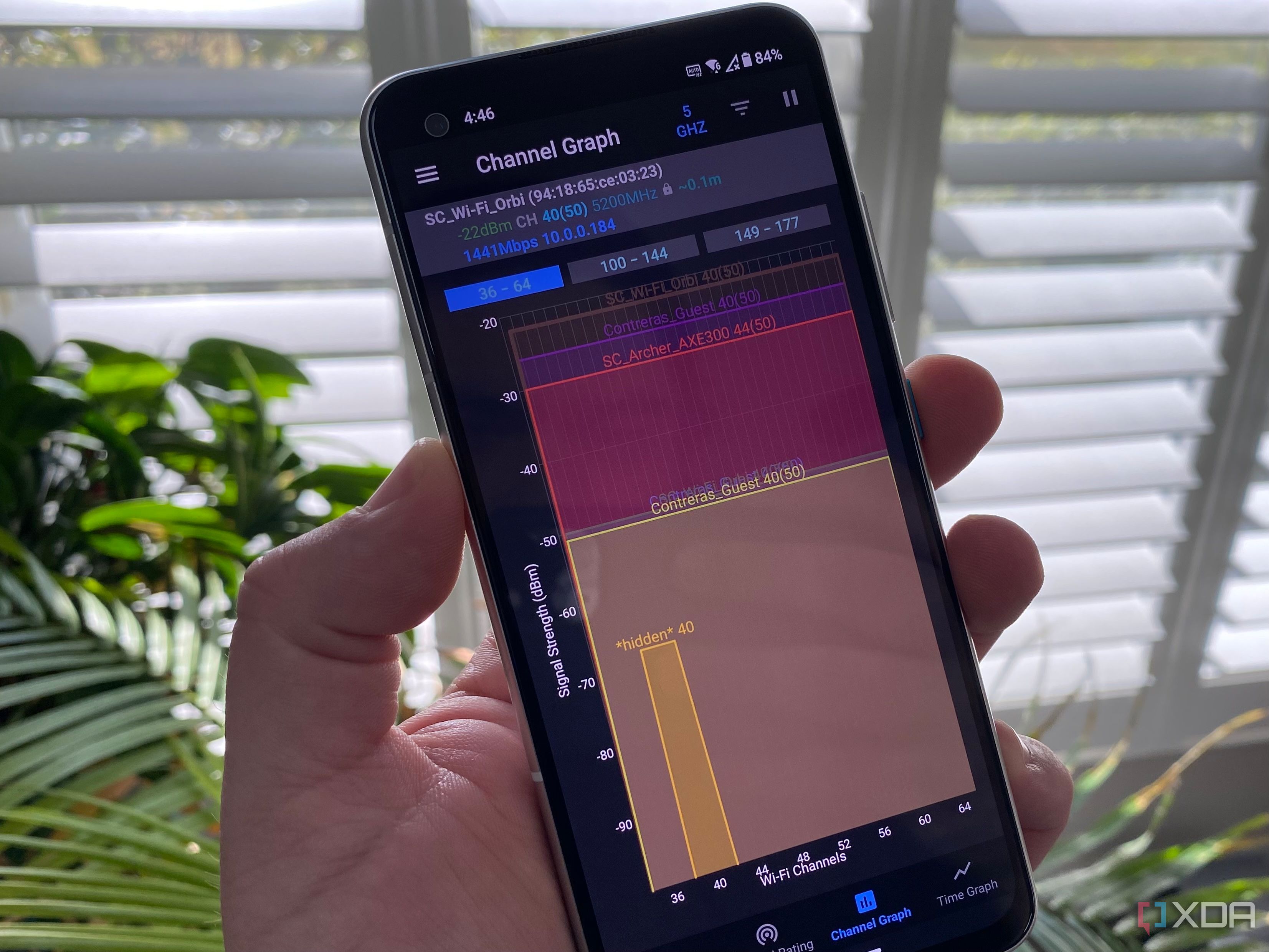
Co-channel interference occurs when multiple Wi-Fi networks operate on the same channel in close proximity, causing them to interfere with each other's signals. When interference happens, devices experience slower speeds, dropped connections, and unreliable performance. This is particularly problematic in the 2.4 GHz band where devices from neighboring homes, cordless phones, baby monitors, and microwave ovens all compete for the same limited channels. Modern routers attempt to automatically select the best channels, but with numerous independent systems running simultaneously, conflicts become difficult to avoid, making it challenging for smart home devices to maintain stable connections.