Turning a Cast-Iron Radiator into a Water-Cooled PC
Summary
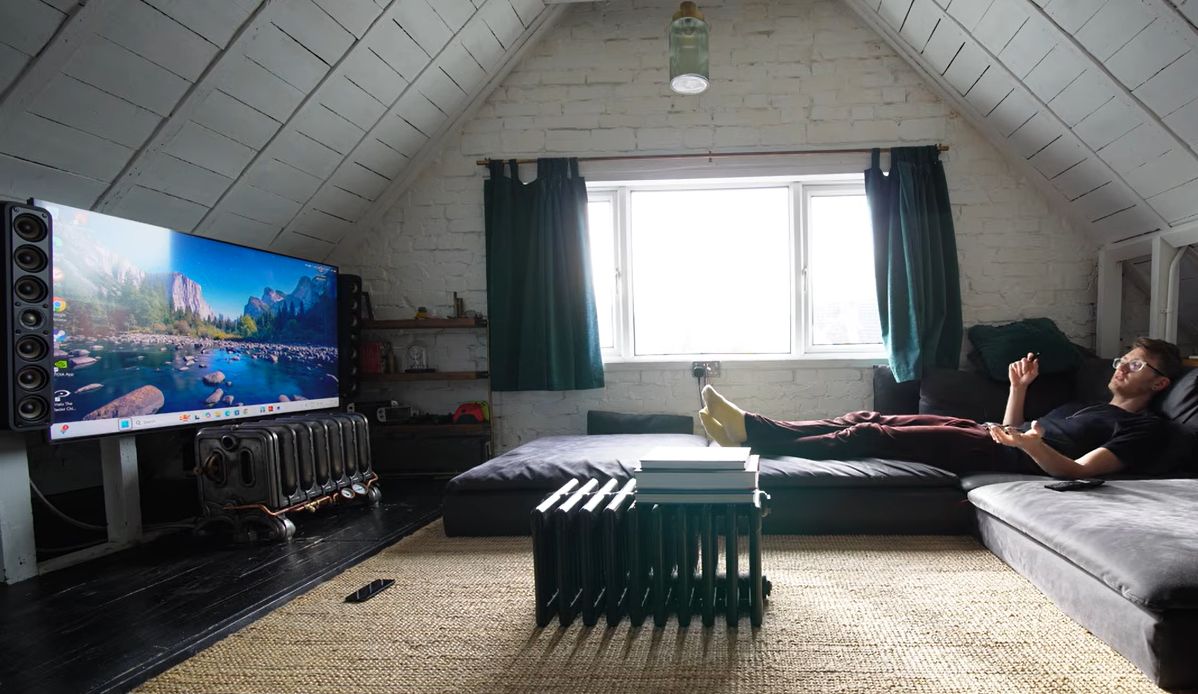
Billet Labs has ingeniously transformed a vintage cast-iron radiator into a water-cooled gaming PC, showcasing both creativity and engineering challenges. Despite its impressive design, the project highlights the difficulties of using cast iron in water cooling systems.
Key Insights
Why is using a cast-iron radiator as a water cooling system so challenging?
Cast-iron radiators present several technical obstacles for water cooling systems. First, they contain internal debris and particles from their age and manufacturing process, which can clog cooling system filters and damage pumps. Second, cast iron's porous nature and complex internal passages make it difficult to completely remove air from the system, leading to air bubbles that reduce cooling efficiency and create pump noise. Third, the radiator's existing internal structure wasn't designed for modern liquid cooling loops, requiring custom fabrication of copper pipes and filtration systems to integrate it properly. These challenges necessitate extensive flushing, cleaning, and troubleshooting to achieve functional performance.
Sources:
[1]
What makes cast-iron radiators suitable for heating systems but problematic for computer cooling?
Cast-iron radiators excel in traditional heating because their high thermal mass allows them to retain heat for extended periods, providing steady, consistent warmth. However, this same property becomes a liability in computer cooling systems. Cast iron's thermal characteristics and heavy weight (approximately 80 kg for a Victorian radiator) make it difficult to achieve the rapid heat dissipation required for modern gaming PCs. Additionally, cast-iron radiators were designed for steam or hot water circulation at much lower temperatures and pressures than liquid cooling systems demand, and their internal passages weren't engineered for the tight tolerances and debris-free environments that computer cooling loops require.